Golden Bell Trivia Challenge Korean Questions for Non-Native Players
Listening habits, category guessing, and fair-play etiquette when the host speaks Korean.
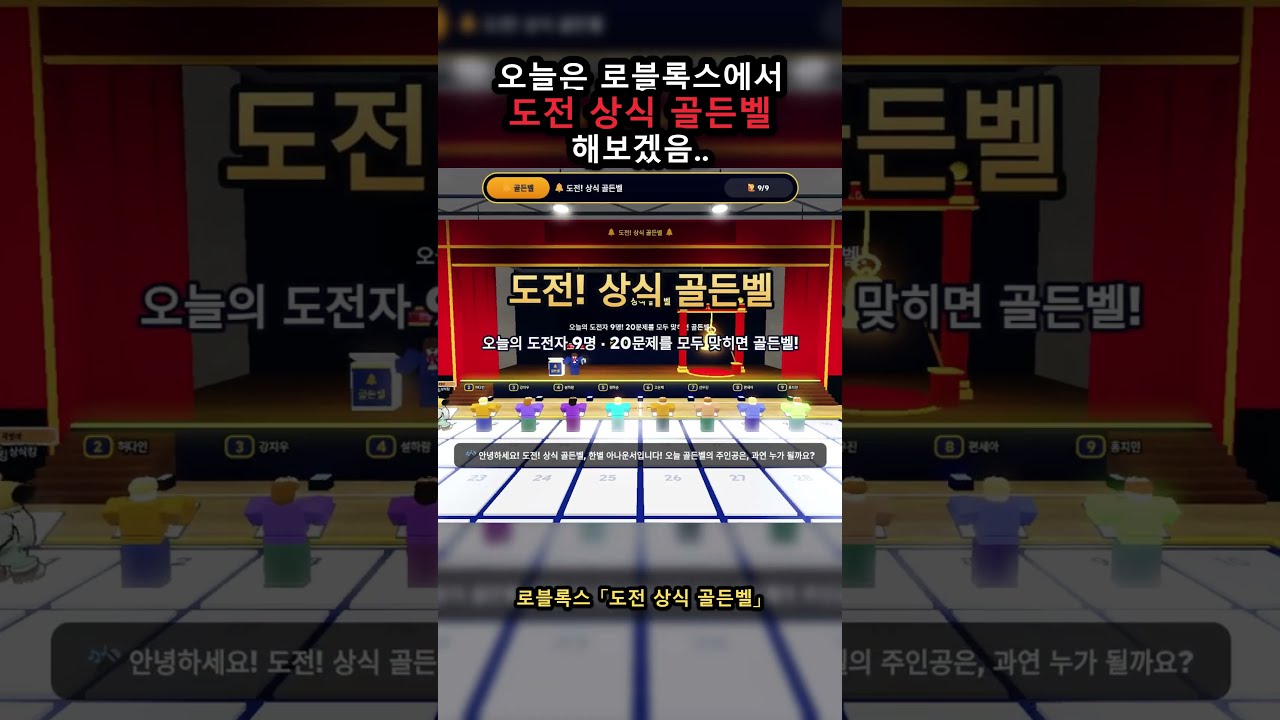
Golden Bell Trivia Challenge is a Roblox Party and Casual quiz by Leejungyoonseo2, and the fantasy is unapologetically Korean-forward: a Korean host voice, Korean-leaning prompts across 11,000+ questions, and lobbies that still welcome international players who refuse to quit after the first mishear. This guide is for non-Korean and non-native players who want to survive, learn, and compete without cheating, without rage-quitting, and without pretending they suddenly speak fluent Korean after one parkour lap.
If you have not finished day-one basics, skim Getting Started first. Pair this page with Golden Bell Mode for elimination pressure, Trivia King Mode for safer reps, Whiteboard Tips for the 15-second write window, controls for audio and camera comfort, and mode strategy when your party argues about which queue to pick.
What “Korean questions” actually means in practice
You are not failing because the game hates English speakers. You are facing a design where:
- The host audio carries pace, emphasis, and sometimes the clearest form of the prompt.
- On-screen text may help—or arrive late—depending on the round UI.
- Topics still span science, history, geography, arts, sports, school trivia, and pop-culture fragments that reward recognition more than perfect translation.
- The same bank feeds both modes, so every careful listen in Trivia King pays rent in Golden Bell later.
Treat Korean as a channel, not a wall. Your job is to extract answer-shaped information: numbers, years, titles, proper nouns, yes/no shapes, and category tags—even when full sentences blur.
Listening habits that raise survival rate
- Freeze your avatar the moment the host starts. Footsteps, jump noise, and camera sway bury syllables you cannot afford to miss.
- Raise game audio above Discord for the question window, then restore chat volume after you submit. Party banter during the prompt is how good players throw free rounds.
- Watch lips and UI together — if text appears, confirm what you think you heard before you write. Do not invent a second answer while the first is still readable.
- Listen for stressed tokens — numbers, names, and short nouns often survive even when connecting words vanish.
- Replay mentally once — a one-second silent re-say of the key fragment beats a panic scribble.
- Log misses between matches — keep a private note of recurring school, history, or pop fragments you keep losing. Review them on the school map between queues instead of doom-scrolling chat.
Non-native players who improve fastest treat audio like a skill drill, not a language exam.
Category guessing without cheating yourself
When the sentence is foggy, recover the category first:
- Numeric answers — years, counts, scores, distances. Write digits cleanly; avoid spelling out long number words unless the format clearly wants text.
- Proper nouns — people, places, titles. Capitalization habits matter less than getting the recognizable spelling close enough for the grader’s tolerance.
- Binary or short factual — true/false style shapes, single-word subjects, or short labels. These are your highest-percentage recovers when listening failed halfway.
- Long descriptive answers — dangerous. If you only caught adjectives, do not invent a paragraph. Prefer a short best guess or a disciplined blank depending on mode.
Category guessing is not psychic play. It is triage: you spend the 15-second whiteboard clock on the answer shape you can actually finish.
When to pass, blank, or guess
Rules differ by mode, so do not reuse one instinct everywhere.
In Golden Bell
A wrong whiteboard eliminates you. Panic guesses end runs. Prefer:
- Write when you have a narrow answer shape and medium-plus confidence.
- Blank / accept exit when the prompt is pure noise and any guess is lottery—especially mid-to-late questions where survival still teaches more than a random typo.
- Narrow guess only when the category is tiny (a year range, a two-option shape) and a blank is certain failure anyway.
Deepen elimination habits in Golden Bell Mode and the practical write flow in Whiteboard Tips.
In Trivia King
Wrong answers hurt score but retries often exist, and the finale can double. Prefer:
- Fast clean answers when confident.
- Short first attempt + ready retry when you misheard one token.
- Avoid spam nonsense that burns retry windows and tilt.
Use Trivia King Mode for the full scoring mindset. Many non-native players should warm up in Trivia King, then take one focused Golden Bell run once listening feels steadier.
Party help etiquette (still fair play)
Friends want to help. That is fine—until it becomes someone else playing your board.
Allowed and useful
- Agree before the match whether you are practicing listening or hunting highlight clips.
- Share category vibes between questions, not during your active write window.
- Spectate after elimination and note which prompts ended other runs.
- Translate or explain a missed topic after the round so the next lobby improves.
Avoid
- Screaming full answers over the host audio while teammates still need to hear.
- Pasting answer dumps from unverified lists that spoil learning and often mismatch the live bank.
- Pressure to “just guess anything” in Golden Bell when silence would teach more.
- Third-party tools or script sellers promising auto-answers—this wiki keeps Scripts empty for a reason, and fair play keeps accounts safer.
Help that teaches listening is friendship. Help that replaces listening is a short-term crutch that collapses the moment you solo queue in a 50-player lobby.
Building a personal glossary that actually works
You do not need a textbook. You need a miss log:
- After each session, write five prompts you lost to audio, not to knowledge.
- Note the English meaning you discovered later from party chat or a calm review.
- Tag them by category (history year, science term, sports name).
- Drill those tags in Trivia King before your next Golden Bell attempt.
- Celebrate recognition speed, not perfect accent imitation.
Over a week, the same host cadence stops feeling random. The question bank is huge, but patterns repeat more than ego admits.
Session plan for non-native players
- Fix volume, camera, and keybinds via controls.
- One short Trivia King run focused only on freezing movement while the host talks.
- One Trivia King run focused on category triage (number vs name vs short fact).
- One Golden Bell run where you refuse panic guesses.
- Campus cooldown on parkour or basketball so tilt does not define the next lobby—see School Map.
- Skim Coins, Levels & Name Tags so early exits still feel productive through XP and coins.
Optional: check codes and launch notes or the November 2026 refresh for promo and page-change context. As of November 2026 research, public codes remain unverified—progress still comes from play.
Mindset that keeps you in the game
Non-native players who thrive here accept three truths:
- You will miss prompts that a fluent listener finds easy—and you will still podium when you master speed, retries, and whiteboard clarity.
- Elimination is feedback, not identity.
- The fantasy is still yours: ring the Golden Bell at question 20, climb Trivia King podiums, earn name tags, and hang out on the school campus with up to 50 players.
Return to the Guides Hub whenever a rule feels fuzzy, compare queues on mode strategy, and keep official links bookmarked for creator destinations. Korean audio is part of the challenge—listening skill is how you meet it halfway without quitting the lobby.
Master silence during the host line, triage the category fast, write only what you can finish, and ask teammates for lessons after the timer—not during it. That is how non-native players survive Korean questions in Golden Bell Trivia Challenge and still have fun doing it.
Frequently Asked Questions
Quick answers for Golden Bell Trivia Challenge players.
Can non-Korean players compete in Golden Bell Trivia Challenge?
Yes. The host and many prompts lean Korean, but category triage, on-screen text, Trivia King retries, and disciplined Golden Bell guesses let non-native players climb with practice.
Should I guess when I only understood part of the question?
In Golden Bell, guess only when the answer shape is narrow; random guesses eliminate you. In Trivia King, a short attempt plus a clean retry is often better than spam.
Is it okay for friends to translate answers in voice chat?
Share tips between questions or after rounds. Talking over the host during your write window hurts listening practice and can spoil fair play for your whole party.
What should I practice first if Korean audio feels impossible?
Warm up in Trivia King while freezing movement and raising game volume, then take focused Golden Bell runs once you can catch numbers and names more reliably.
Do I need scripts or answer bots to keep up?
No. This wiki lists no scripts for the title. Fair listening habits, whiteboard discipline, and mode practice are the intended path.
Which pages should I read with this guide?
Pair it with Getting Started, Golden Bell Mode, Trivia King Mode, Whiteboard Tips, Controls, and Mode Strategy for a complete non-native playbook.